

Should a Generator Power Your Loads Directly or Just Charge Your Batteries?

Understanding the Best Generator Strategy for Modern Off-Grid & Hybrid Solar Systems
By Sundown OFFGRID
One of the most common questions we hear at Sundown OFFGRID is:
“Should my generator directly power my home… or should it only charge the batteries?”
The answer depends on:
system design,
load size,
inverter capabilities,
generator quality,
and how intelligently the system is managed.
This topic becomes especially important in:
off-grid systems,
hybrid solar systems,
battery backup systems,
RV setups,
and whole-home backup applications.
Because while generators have been used for decades, modern inverter-based power systems behave VERY differently than traditional setups.
And choosing the wrong strategy can lead to:
overload issues,
unstable power,
unnecessary fuel usage,
battery stress,
and frustrating system behavior.
The Two Main Generator Strategies
Most backup systems operate using one of two methods:
Generator Method | Description |
Direct Load Bypass | Generator powers the home or loads directly |
Battery Charging Mode | Generator charges batteries while inverter powers the loads |
Both methods can work well but each has advantages and disadvantages.
Method 1: Generator Directly Powers the Loads
This is the traditional approach many homeowners are familiar with.
In this setup:
the generator powers appliances directly,
often through a transfer switch or inverter pass-through mode.
The inverter may simply act as a bridge between:
generator,
grid,
and household loads.
Advantages of Direct Generator Power
1. Better Handling of Large Startup Loads
Generators are often better at handling:
air conditioners
compressors
well pumps
large motors
heavy startup surges
than smaller inverter/battery systems alone.
This reduces:
inverter overloads
battery stress
voltage sag
especially during compressor startup.
2. Faster Emergency Power Recovery
When batteries become depleted, direct generator bypass can restore:
large household loads
HVAC systems
refrigeration
pumps
immediately without waiting for batteries to recharge first.
3. Reduced Battery Cycling
When the generator powers the loads directly:
batteries discharge less,
cycle less frequently,
and experience lower current demand.
This can help extend battery lifespan over time.
The Downsides of Direct Generator Bypass

1. Generator Power Isn’t Always Clean
Many generators produce:
unstable voltage
unstable frequency
harmonic distortion (THD)
Sensitive electronics may not tolerate this well.
Examples include:
networking equipment
satellite systems
computers
smart appliances
TVs
inverter systems themselves
This is especially common with:
open-frame generators
lower-quality portable generators
improperly grounded generators
2. Increased Fuel Consumption
When generators directly support the loads:
they often run longer,
harder,
and more frequently.
This increases:
fuel usage
maintenance
noise
wear and tear
especially overnight.
3. Load Fluctuations Can Destabilize the System
Air conditioners and compressors constantly cycle on and off.
Those rapid changes can create:
voltage swings
frequency instability
inverter synchronization problems
transfer relay issues
particularly in hybrid systems.
Method 2: Generator Charges Batteries While the Inverter Powers the Loads
This method is becoming increasingly popular in modern hybrid and off-grid systems.
In this setup:
the generator charges the batteries,
while the inverter continuously powers the home.
The house remains connected primarily to:
the inverter,
not directly to the generator.
Advantages of Battery-Charging Generator Systems
1. Cleaner Power to the Home
The inverter acts like a power conditioner.
Even if generator power fluctuates slightly:
the inverter stabilizes voltage and frequency,
protecting sensitive electronics.
This creates smoother operation for:
smart homes
office equipment
medical devices
entertainment systems
networking equipment
2. Batteries Help Absorb Load Surges
Instead of forcing the generator to react instantly to:
AC compressor starts
microwave spikes
motor surges
…the batteries help buffer those sudden changes.
This creates:
smoother generator operation
fewer overload events
improved inverter stability
3. More Efficient Generator Runtime
Instead of running continuously all night, the generator may:
charge the batteries for a few hours,
then shut back off.
The batteries continue powering the home afterward.
This often results in:
lower fuel usage
quieter operation
longer generator lifespan
The Downsides of Battery-Charging-Only Systems
1. The Inverter Must Still Handle the Loads
Even while charging:
the inverter still powers the house.
That means:
inverter sizing matters,
battery discharge capability matters,
and startup surge handling still matters.
If the inverter or batteries are undersized:
overloads can still happen.
2. Generator Charging Speed Can Be Limited
Many inverter chargers intentionally limit:
charging current
generator input amperage
to protect the system.
This means:
battery recovery may take longer,
especially while the home continues consuming power simultaneously.
3. Some Generators Don’t Communicate Well With Hybrid Inverters
This is extremely common in the field.
Some generators struggle to synchronize properly with:
Victron Energy systems
EG4 Electronics systems
EcoFlow systems
hybrid inverter chargers in general
Common issues include:
unstable frequency
poor THD
floating neutral problems
grounding issues
unstable governor response
This can cause:
charging faults
disconnects
inverter rejection
or unstable pass-through operation.
What Is an MID (Microgrid Interconnection Device)?
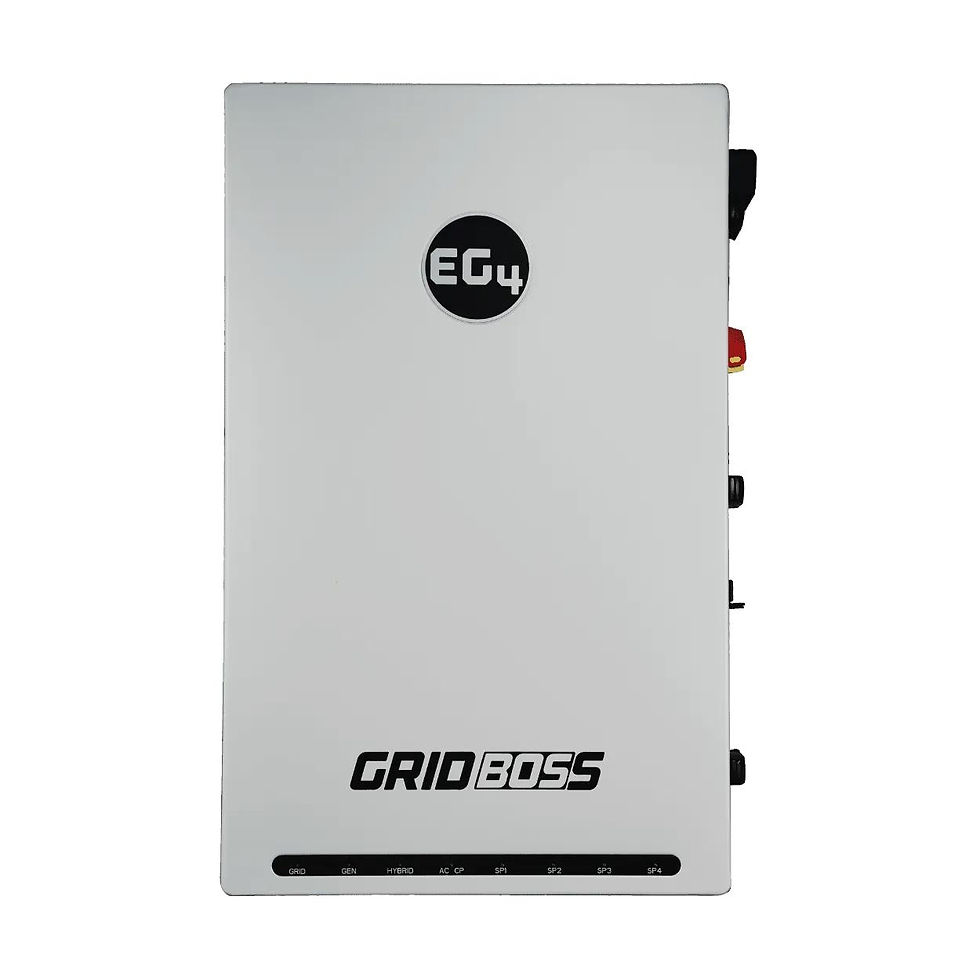
Modern backup systems are becoming far more intelligent than traditional generator setups.
Instead of manually managing:
generators,
batteries,
solar,
and household loads,
many advanced systems now use:
Microgrid Interconnection Devices (MIDs)
Devices such as the EG4 GridBOSS help coordinate:
solar production
battery charging
generator usage
inverter operation
grid interaction
and household loads
all from a centralized system.
Why Smart Integration Devices Matter
Traditional systems rely heavily on:
manual switching
basic transfer relays
simple bypass configurations
But modern MIDs allow systems to:
intelligently prioritize loads
reduce unnecessary generator runtime
automate generator startup
improve battery efficiency
stabilize source transitions
prevent overload conditions
This creates a MUCH smoother user experience.
Why This Matters for Air Conditioners & Heavy Loads
Large loads like:
central air conditioners
well pumps
compressors
shop equipment
create massive startup surges.
Smart integration devices help manage these loads more intelligently by:
coordinating battery assistance,
optimizing generator usage,
and preventing unnecessary inverter overloads.
This is becoming increasingly important in:
whole-home backup systems
hybrid solar installations
and off-grid homes.
Which Generator Method Is More Efficient?
In many modern hybrid systems:
Allowing the generator to charge batteries while the inverter powers the home often creates the smoothest and most efficient operation.
Why?
Because:
batteries absorb load fluctuations,
the inverter stabilizes power,
generators run more consistently,
and sensitive electronics stay protected.
However…
Direct generator bypass still has advantages for:
very large HVAC systems
workshops
large motors
emergency backup situations
smaller battery systems
The Best Systems Often Combine Both Methods
At Sundown OFFGRID, many of the best-performing systems use:
hybrid generator integration
Meaning:
batteries handle daily operation,
while generators assist strategically during:
low battery conditions
large startup loads
extended outages
poor solar production
This creates:
smoother operation
lower fuel usage
reduced battery stress
improved reliability
Final Thoughts
There is no universal “perfect” generator strategy.
The best solution depends on:
your load profile,
inverter size,
battery capacity,
generator quality,
and how intelligently the system is managed.
But modern hybrid systems are increasingly moving toward:
smarter generator integration,
rather than simply running generators directly into household loads all the time.
At Sundown OFFGRID, we specialize in designing systems that balance:
efficiency,
reliability,
battery longevity,
and real-world performance.
Because true backup power isn’t just about having electricity.
It’s about having a system that operates intelligently when you need it most.
Need Help Designing Your Backup System?
Sundown OFFGRID specializes in:
Off-grid solar systems
Generator integration
Battery backup systems
Hybrid inverter systems
EcoFlow systems
Victron systems
EG4 systems
Whole-home backup systems
Solar troubleshooting and repair


Comments